Claude Cowork Complete Review: Use Cases, Features & Alternatives
Claude Cowork review with features, use cases, pricing breakdown, Reddit feedback, Windows alternatives, and open-source options explained.
Claude Cowork vs Kuse Cowork vs OpenClaw: full comparison of features, use cases, and open-source alternatives. Find the best Windows option before you decide.
As interest in AI coworkers grows, more users are searching for Claude Cowork open source alternatives. While Claude Cowork introduced the idea of an AI agent that can actually do work, it remains closed, macOS-only, and tightly coupled to Anthropic’s ecosystem.
This guide breaks down three representative approaches to the AI cowork paradigm:
We’ll compare them across architecture, use cases, extensibility, and real-world practicality.
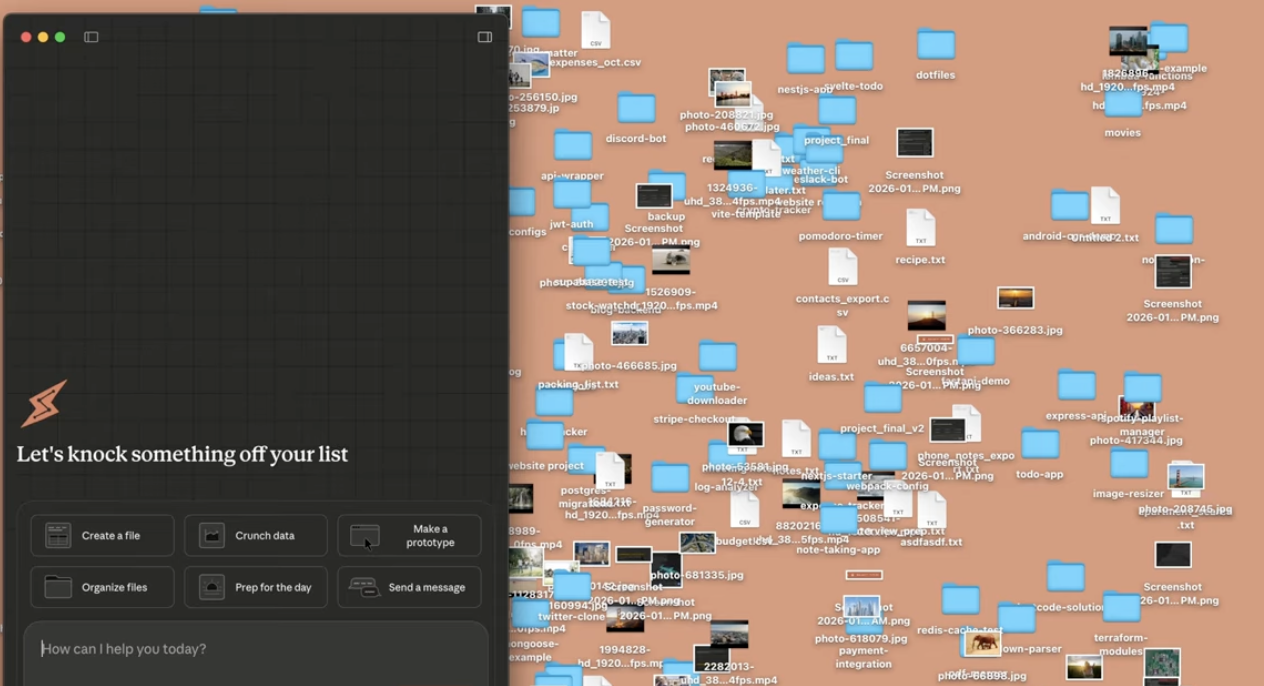
Claude Cowork is Anthropic’s official AI desktop agent designed to act as a digital coworker, not just a chat interface.
Its core idea is simple but powerful: instead of copying files into a prompt, Claude Cowork connects conversations directly to your local file system. You describe a goal, and the AI reads, edits, and reasons across files inside selected folders.
Claude Cowork excels at:
From a design perspective, Claude Cowork represents a shift from prompt → response toward objective → execution plan → results.
However, there are clear limitations:
These constraints are exactly why “Claude Cowork open source” has become a popular search query.
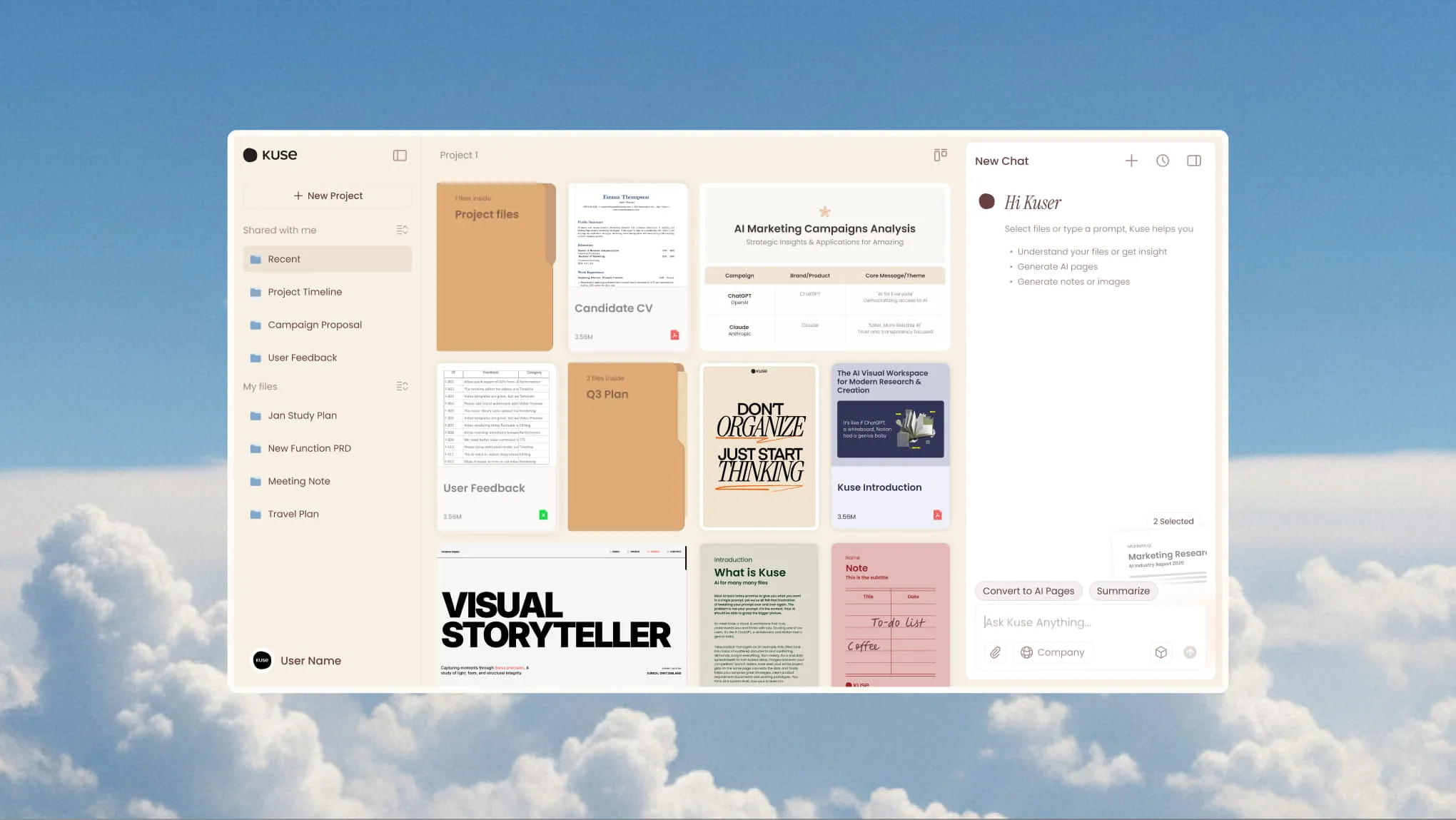
Kuse Cowork takes the Claude Cowork idea and reimplements it as an open-source, model-agnostic, local-first AI cowork agent.
Instead of locking users into a single provider or OS, Kuse Cowork is designed as a general AI workforce layer that runs on Windows, macOS, and Linux.
At its core, Kuse Cowork combines:
Architecturally, Kuse Cowork is built with native Rust, not as a thin wrapper around Python or JavaScript. This gives it lower overhead, better performance, and tighter control over system-level operations.
Most importantly, Kuse Cowork is not tied to a single model. It works with Claude, GPT, Gemini, and even fully local models via Ollama or LM Studio.
In other words, Kuse Cowork is designed to be a true open-source Claude Cowork alternative, not just a clone.
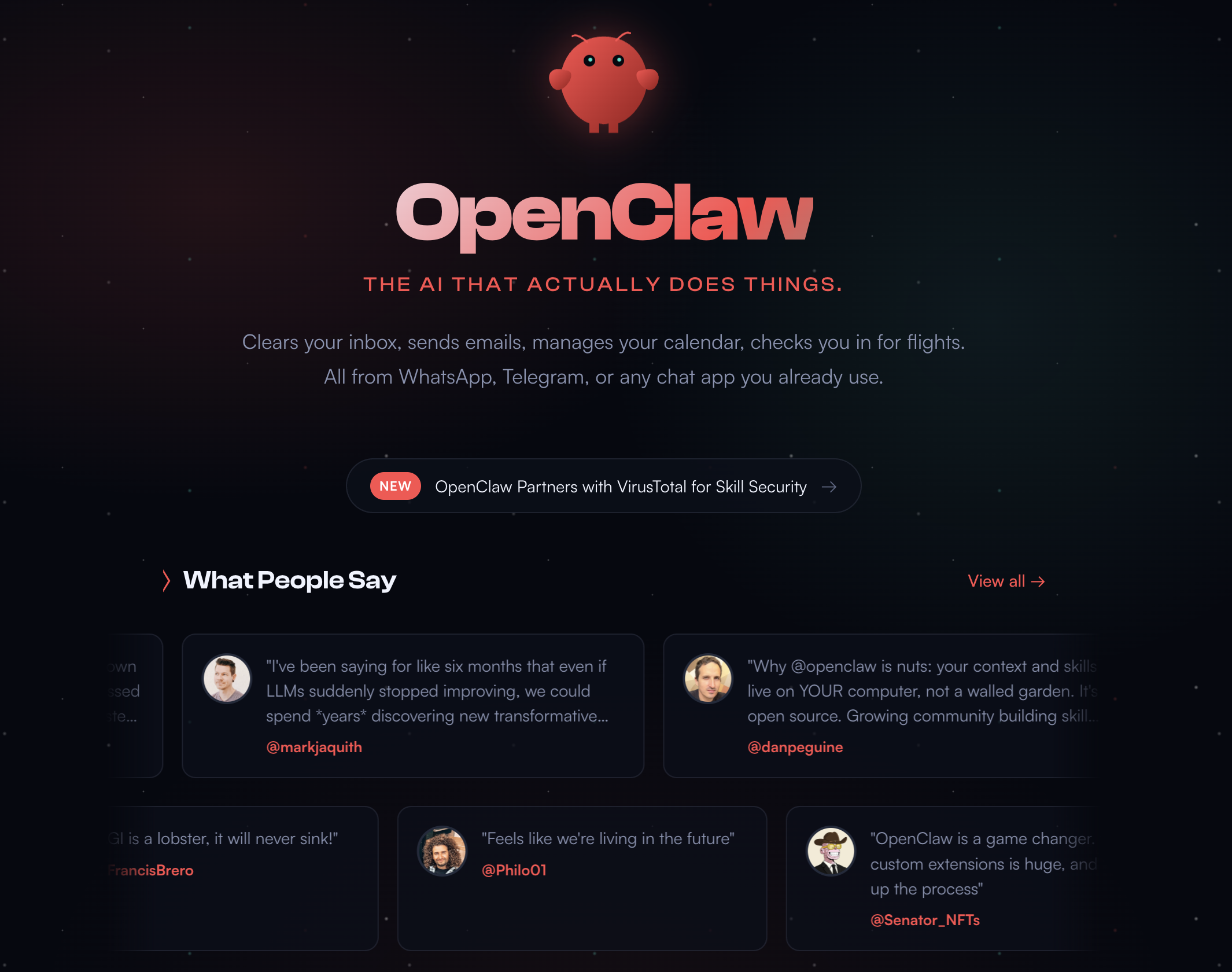
OpenClaw is a community-driven open-source project inspired by Claude Cowork and Claude Code.
Its goal is to explore how far the “AI cowork” idea can be pushed using open tooling. OpenClaw typically focuses on:
OpenClaw is best understood as an experimental framework, not a polished end-user product. It often requires manual configuration, technical familiarity, and tolerance for rough edges.
That said, OpenClaw plays an important role in the ecosystem by proving that Claude Cowork–style agents can be built outside closed platforms.
Although Claude Cowork, Kuse Cowork, and OpenClaw are often grouped together as “AI coworkers,” real-world usage patterns show clear differences in who uses them and why.
Claude Cowork is most commonly used by individual knowledge workers who want immediate productivity gains with minimal configuration.
A frequent use case is research synthesis. Users drop Claude Cowork into a folder of PDFs, whitepapers, or policy documents and ask it to produce executive summaries, comparison briefs, or thematic analyses. This is especially common among consultants, analysts, and product managers dealing with dense reference material.
Another popular scenario is meeting and planning workflows. Claude Cowork is often used to turn raw meeting notes, transcripts, or internal documents into structured action plans—highlighting decisions made, open questions, and next steps for stakeholders.
Because it integrates tightly with the local file system, Claude Cowork is also used for document cleanup and reorganization, such as renaming files, grouping related documents, and preparing folders for handoff. However, these workflows are usually limited to solo usage due to platform and licensing constraints.
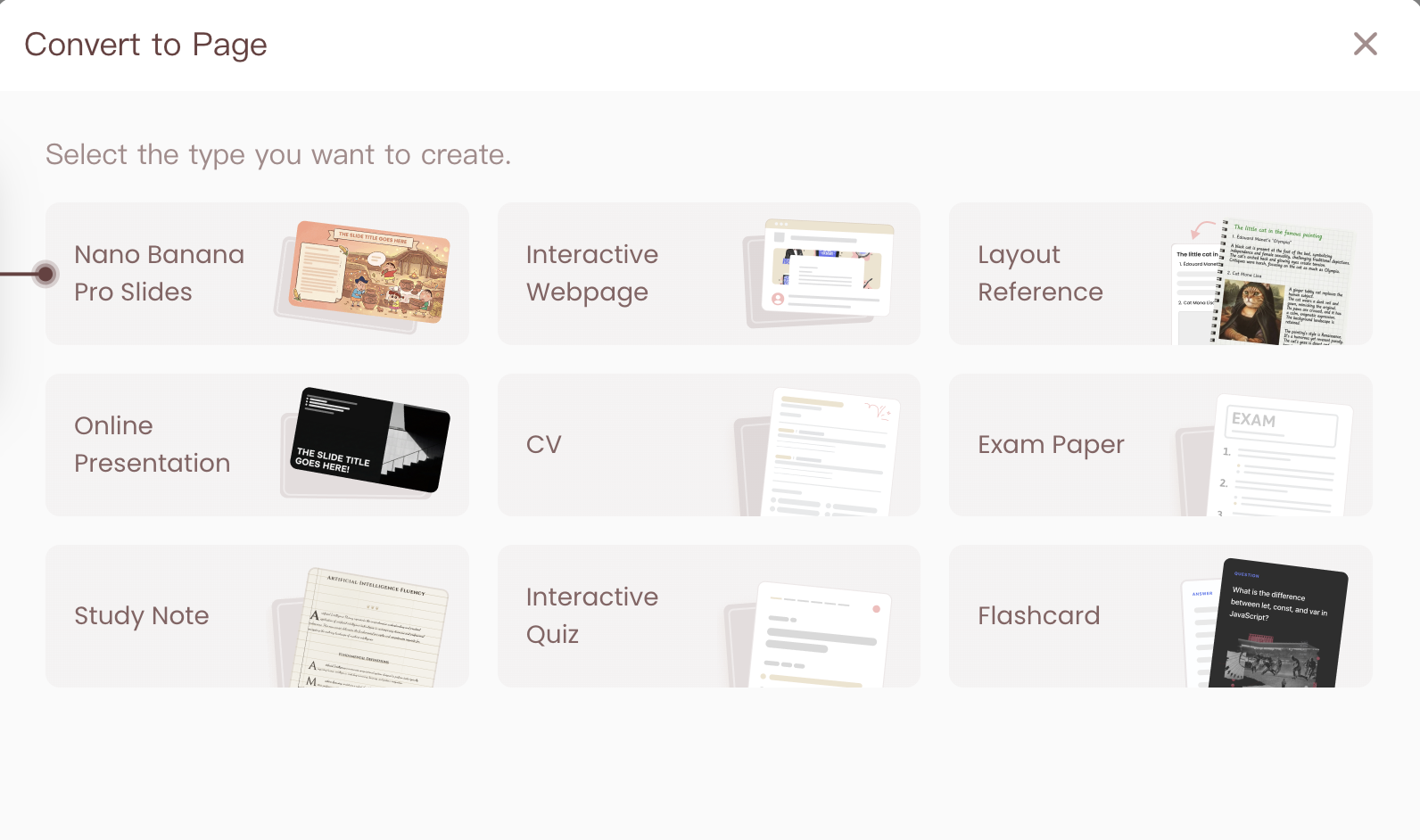
Kuse Cowork is adopted by users who need more control, broader model choice, or stronger privacy guarantees.
A major real-world use case is local-first automation. Teams use Kuse Cowork to process sensitive documents—financial records, contracts, internal reports—without uploading them to third-party platforms. Because API calls go directly to the user’s chosen model provider (or run fully offline), this fits regulated or privacy-conscious environments.
Kuse Cowork is also used as a multi-model AI workforce. Users switch between Claude, GPT, Gemini, or local models depending on the task—using one model for reasoning-heavy analysis and another for structured generation. This flexibility is especially valuable for power users and technical teams.
Another emerging use case is custom agent workflows. Developers extend Kuse Cowork with new skills or MCP integrations to automate repetitive internal processes, such as generating reports from folders, parsing invoices, or maintaining structured documentation across projects.
OpenClaw is primarily used by developers and researchers exploring agent architectures rather than end users optimizing daily workflows.
Typical use cases include prototyping autonomous agents, experimenting with tool calling, or testing how LLMs behave when granted file system or command execution access. OpenClaw is often used as a learning or experimentation platform for understanding how Claude Cowork–style systems are built under the hood.
In practice, OpenClaw is less common in production workflows and more common in labs, demos, and experimental automation setups, where flexibility matters more than polish or safety guarantees.
The real difference between these tools lies not in whether they can “read files,” but in how much autonomy, extensibility, and control they provide.
Claude Cowork offers a tightly managed agent experience. Its core advanced feature is goal-driven task decomposition. When given an objective, it generates an internal plan, executes steps sequentially, and maintains context across the task.
Another key feature is native file system grounding. Claude Cowork reads files directly rather than relying on pasted content, which reduces hallucination and improves factual accuracy for document-based tasks.
However, Claude Cowork deliberately limits extensibility. Users cannot swap models, inject custom tools, or alter execution environments. This makes it reliable and safe, but also less adaptable for advanced or team-scale workflows.
Kuse Cowork’s most important advanced feature is its architecture-level openness.
It supports multi-provider model routing, allowing users to choose or switch models per task. This is critical for teams balancing cost, performance, and reasoning quality across different workloads.
Another defining capability is secure execution isolation. All agent actions can run inside Docker containers, ensuring that file operations and command execution do not affect the host system. This makes Kuse Cowork suitable for more autonomous or long-running agents.
Kuse Cowork also exposes an extensible skills system. Built-in support for formats like PDF, DOCX, and XLSX can be expanded with custom skills or external tools via MCP (Model Context Protocol). This turns Kuse Cowork from a single agent into a platform for building specialized AI workers.
Finally, its BYOK (Bring Your Own Key) design ensures that users retain full control over data flow and cost, an increasingly important requirement in enterprise and regulated environments.
OpenClaw’s advanced features prioritize flexibility over structure. It typically allows direct command execution, unrestricted tool access, and deep customization of agent behavior.
This makes it powerful for experimentation, but also risky for unsupervised or production use. There is little built-in isolation or safety enforcement compared to Kuse Cowork, and much of the responsibility falls on the user.
As a result, OpenClaw is best seen as a research and prototyping framework, not a turnkey AI coworker.
Claude Cowork introduced the world to the idea of an AI coworker—but it is not the end of the story.
If you want:
For users actively searching Claude Cowork open source, Kuse Cowork currently represents the most complete and practical alternative.
No. Claude Cowork is a closed-source product developed by Anthropic.
Yes. Kuse Cowork is designed specifically as an open-source, multi-model alternative to Claude Cowork.
Yes. It supports Claude, GPT, Gemini, and local models via BYOK.
Not typically. OpenClaw is best viewed as an experimental or educational project.
Claude Cowork does not support Windows. Both Kuse Cowork and OpenClaw run on Windows.
Claude Cowork review with features, use cases, pricing breakdown, Reddit feedback, Windows alternatives, and open-source options explained.
Is Claude Cowork worth it? Full review of features, real-world use cases, pricing, and the best Windows & open-source alternatives like Kuse.
Compare Claude Cowork and Kuse in 2026 by access, file safety, output quality, collaboration, and pricing for real workflows including reports, spreadsheets, and presentations.
Explore 8 real use cases of Claude Cowork from file organization to research synthesis and spreadsheet automation. Learn how agentic AI works in practice and when you need an alternative.